


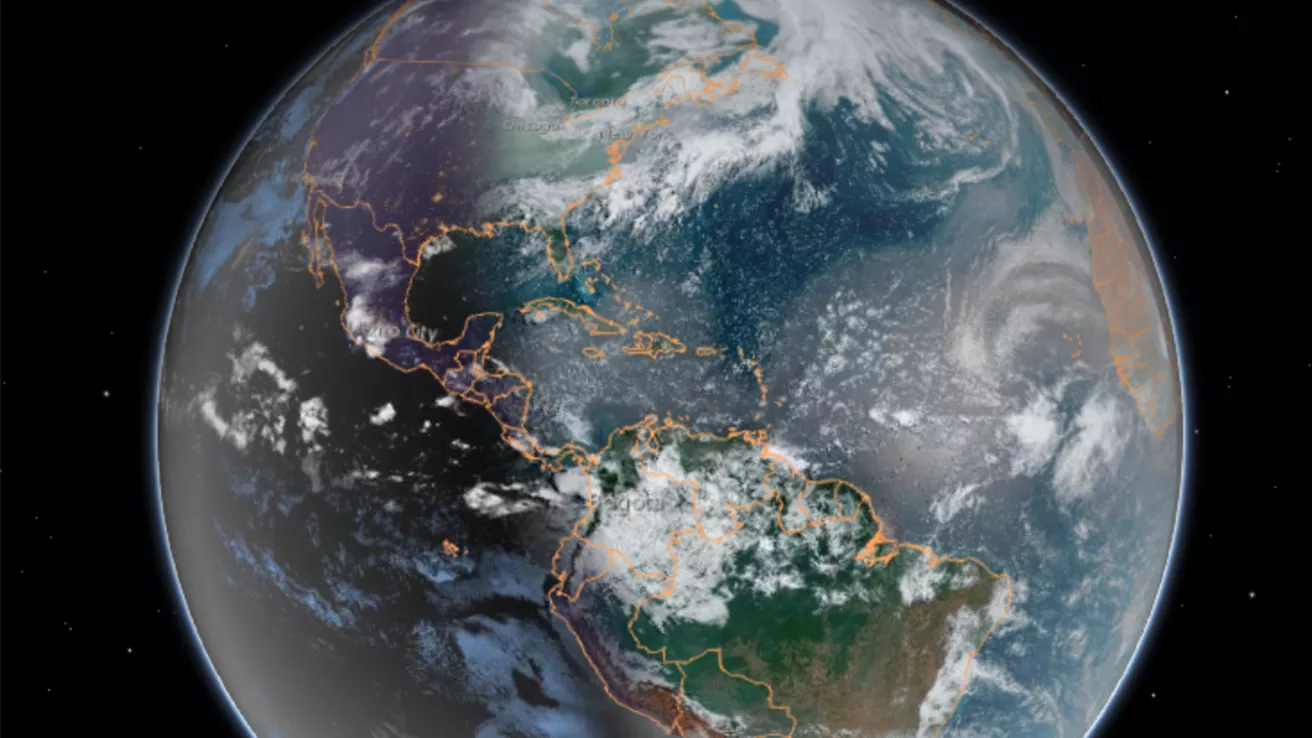
Our dynamic world is always changing. See what it looks like now from space via our live feeds.
Explore interactively Interactive Maps
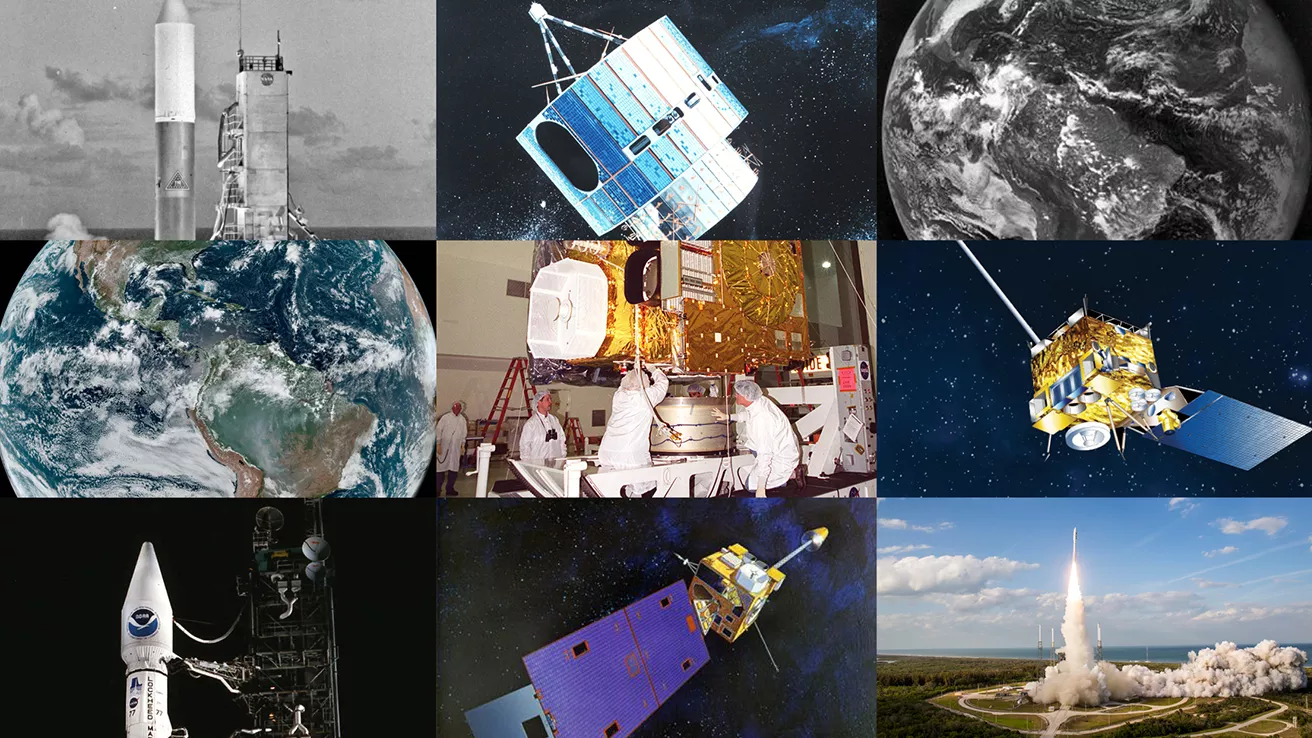
NOAA celebrates 50 years of its heralded Geostationary Operational Environmental Satellite program.
Fifty Years! 50 Years of GOES
Explore the impact and applications of low earth orbit data and products.
View Digest 2024 LEO Science Digest
Feature Stories
-
Meet Olaf McCreary, a satellite engineer at NOAA’s Office of Low Earth Orbit Observations.
-
NOAA's new GOES-U satellite will be carrying a new instrument—the nation’s first operational…
-
On July 7, 2024, NOAA's GOES-U satellite reached geostationary orbit above Earth's…
-
NOAA hosted the 52nd Plenary Meeting of the Coordination Group for Meteorological Satellites (CGMS-…
Data & New Technology
Data Purchases
NOAA is taking concrete steps to support the development of commercial markets for space-based weather data.
Visit the programs page Data Purchases
Data Collections
NOAA collects the most up-to-date data about the atmosphere, land, and oceans.
Learn about data information Data Collections
Pathfinder Initiative
Help develop studies for future applications of mission data products.
Read about pathfinder initiative Pathfinder Initiative
News & Announcements
-
This Report celebrates and shares the science output of NESDIS. It showcases the breadth, relevance…
-
On May 14, 2023, Japan’s Himawari-9 satellite tracked Tropical Cyclone Mocha as the powerful storm…
-
Today, NOAA awarded the Geostationary Ground Sustainment Services (GGSS) contract to L3Harris…
-
Although wildfire season in Canada usually begins in early May, when the snow begins to melt and…
-
For decades, researchers, scientists and meteorologists have relied on passive microwave sensors to…
-
As spring heads toward summer, NOAA satellites are prepared to help keep us safe during the…
-
NASA Awards Contracts for NOAA Coronagraph Instrument Phase A Study