


Makes way for next generation of weather imagery! NOAA’s GOES-13 satellite has captured some of the most notorious weather events in recent U.S. history – from paralyzing blizzards in the Northeast and Midwest, to destructive hurricanes like Sandy in 2012 and last summer’s historic run of Hurricane Harvey, Irma and Maria.
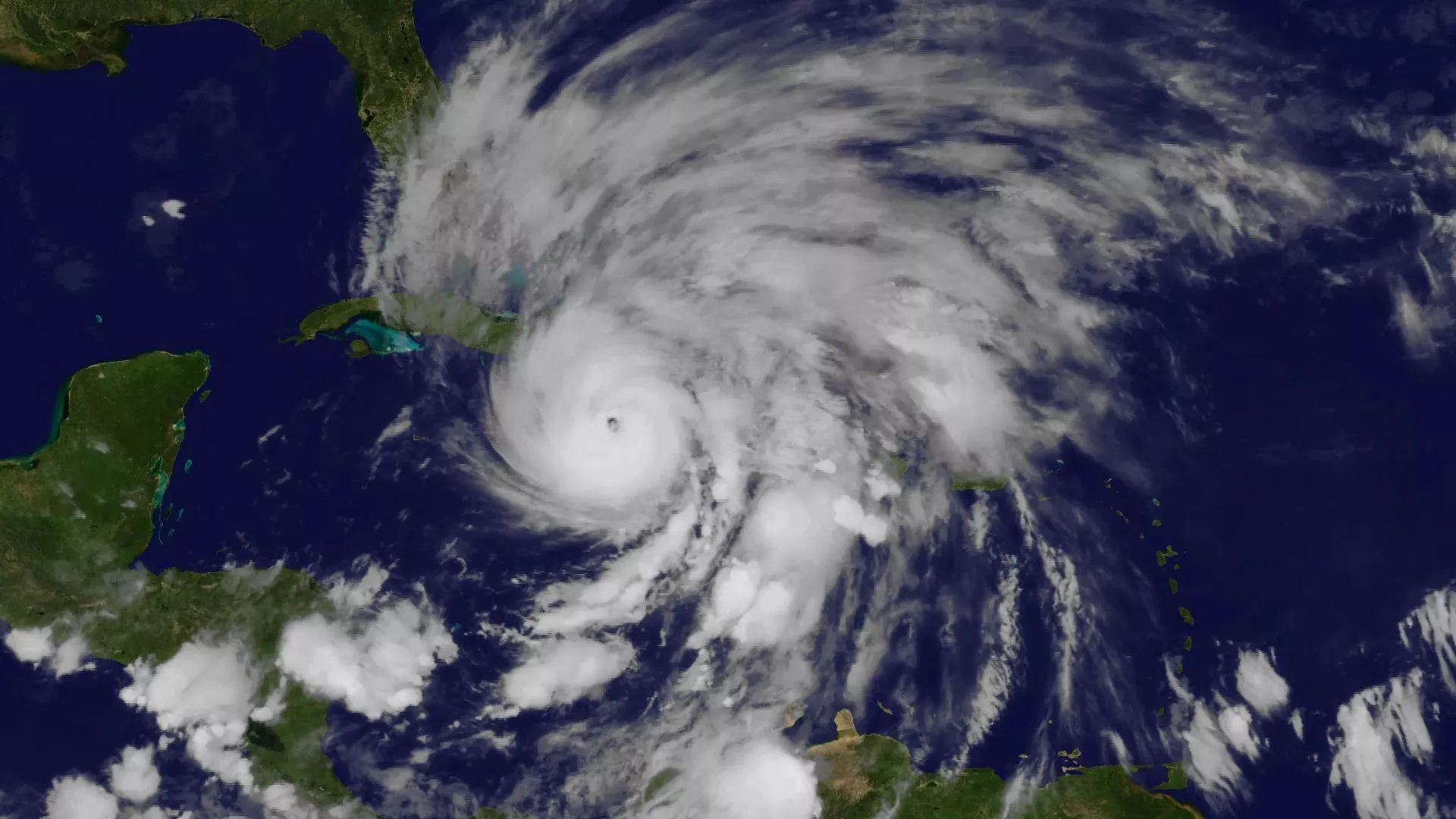
GOES-13 view of Hurricane Sandy intensifying the Caribbean Sea before the storm tracked up the U.S. East Coast in October 2012.
But with the emergence of the next-generation GOES-16 as NOAA’s new GOES-East satellite , GOES-13, which held the position since April 2010, was powered down on January 8, 2018. It can be reactivated if one of NOAA’s other operational or backup satellites experiences trouble.
“GOES-13 was a reliable work horse, supplying meteorologists with the crucial imagery and data, which enabled NOAA to provide accurate forecasts and warnings of storms, many of which are in the record books,” said retired Navy Rear Adm. Timothy Gallaudet, Ph.D., acting NOAA administrator.
A previous NOAA geostationary satellite, GOES-14, also deactivated, will remain NOAA’s primary back-up satellite, and can be activated if either GOES-16 or GOES-15, the current GOES-West satellite, experiences technical difficulties.
The next next-generation satellite, NOAA’s GOES-S is scheduled for launch on March 1, and will become the new GOES-West satellite after a checkout and testing phase, which can take up to a year. Forecasters will be able to take advantage of its advanced imagery during that phase-in time. Together, these satellites will enable NOAA to more closely monitor weather systems over North America, South America, and the Atlantic and Pacific Oceans to help protect lives and property.
In addition to the geostationary satellites, NOAA also operates a fleet of polar-orbiting satellites. The first of NOAA’s next-generation polar satellites, NOAA-20 , launched November 18, 2017. Both types of satellites form the backbone of NOAA’s increasingly accurate weather forecasts.
Check out some of GOES-13's most powerful and impactful imagery below!
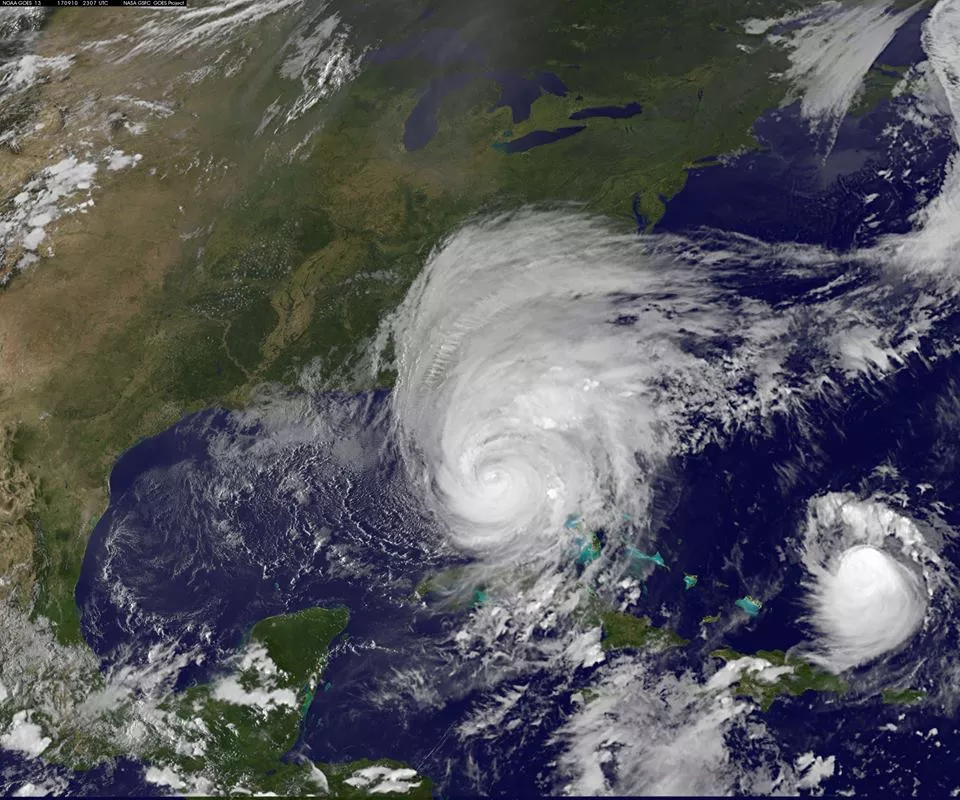
NOAA GOES-13 captured this image of Hurricane Irma at 7:07 p.m. EDT on September 10, 2017, when the eye of the storm was just southeast of Fort Myers.
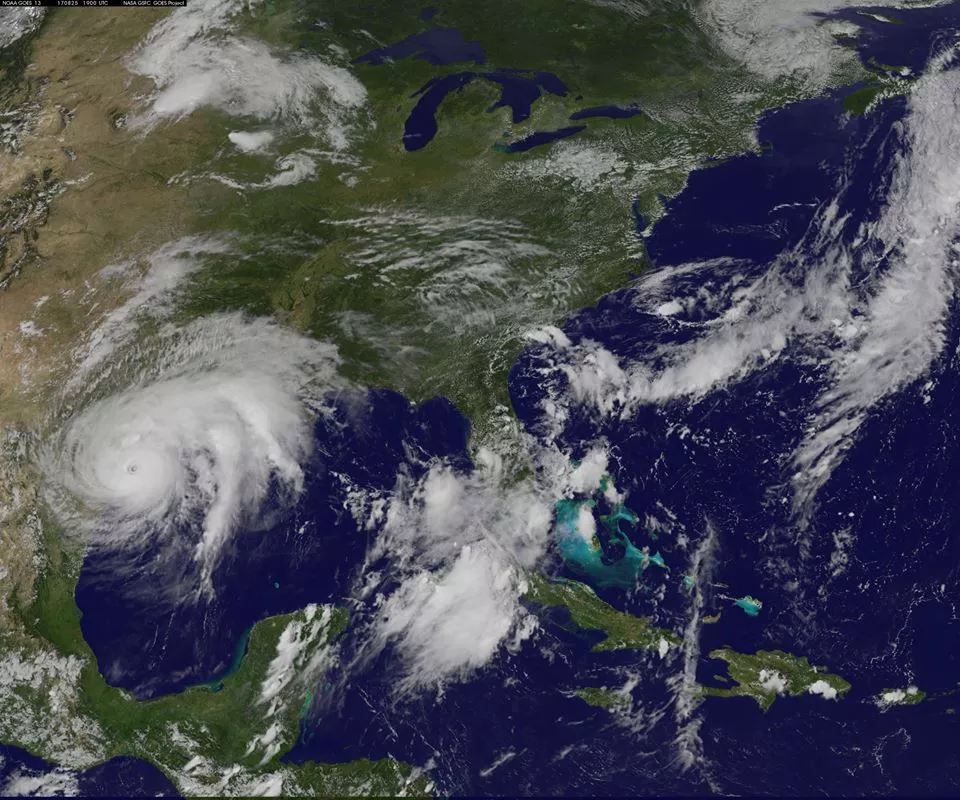
This image of Harvey was taken from GOES-13 at 3 pm EDT on August 25, 2017.
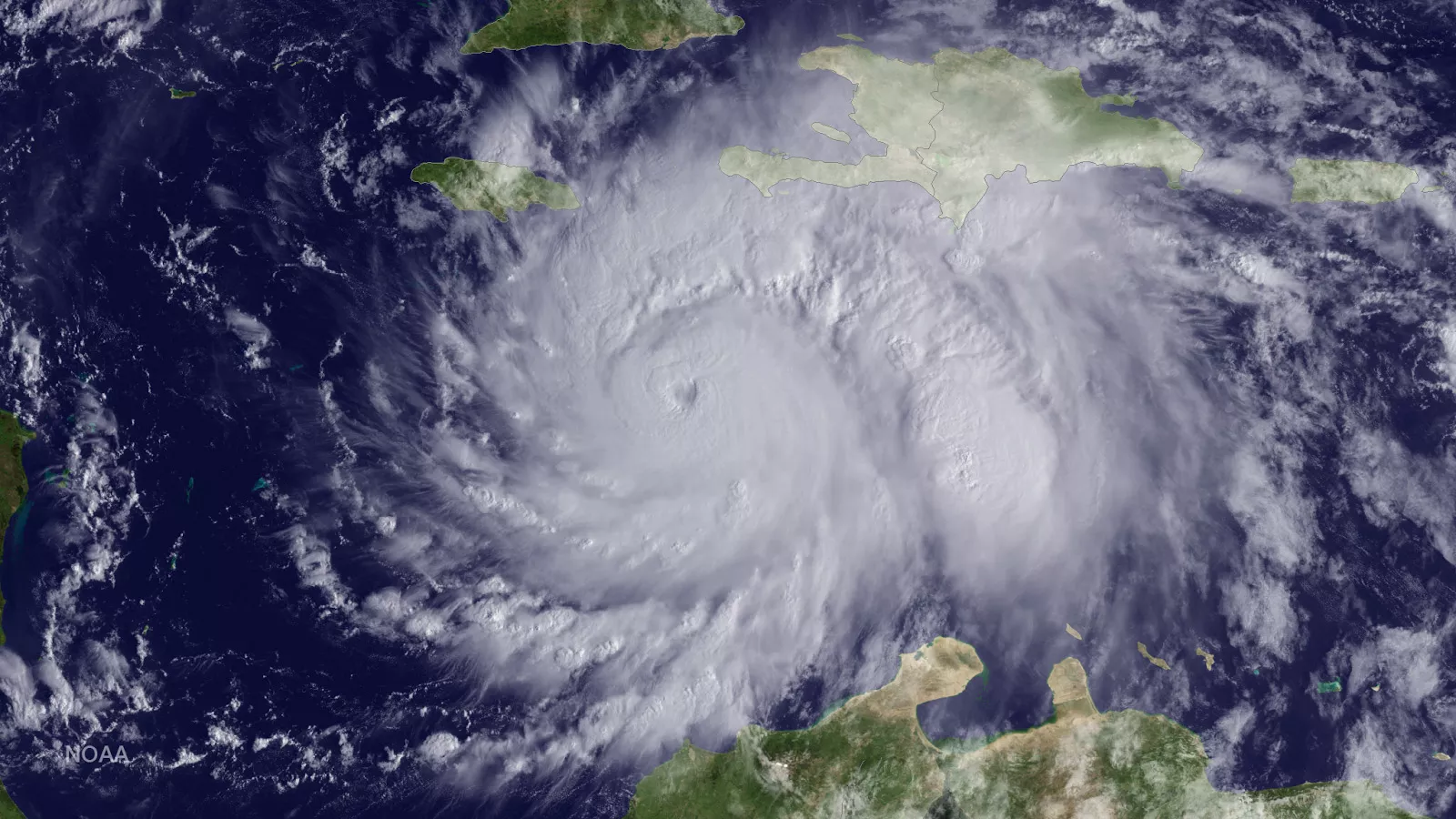
GOES-13 view of Hurricane Matthew in the Caribbean, before the storm decimated Haiti, October 3, 2016.
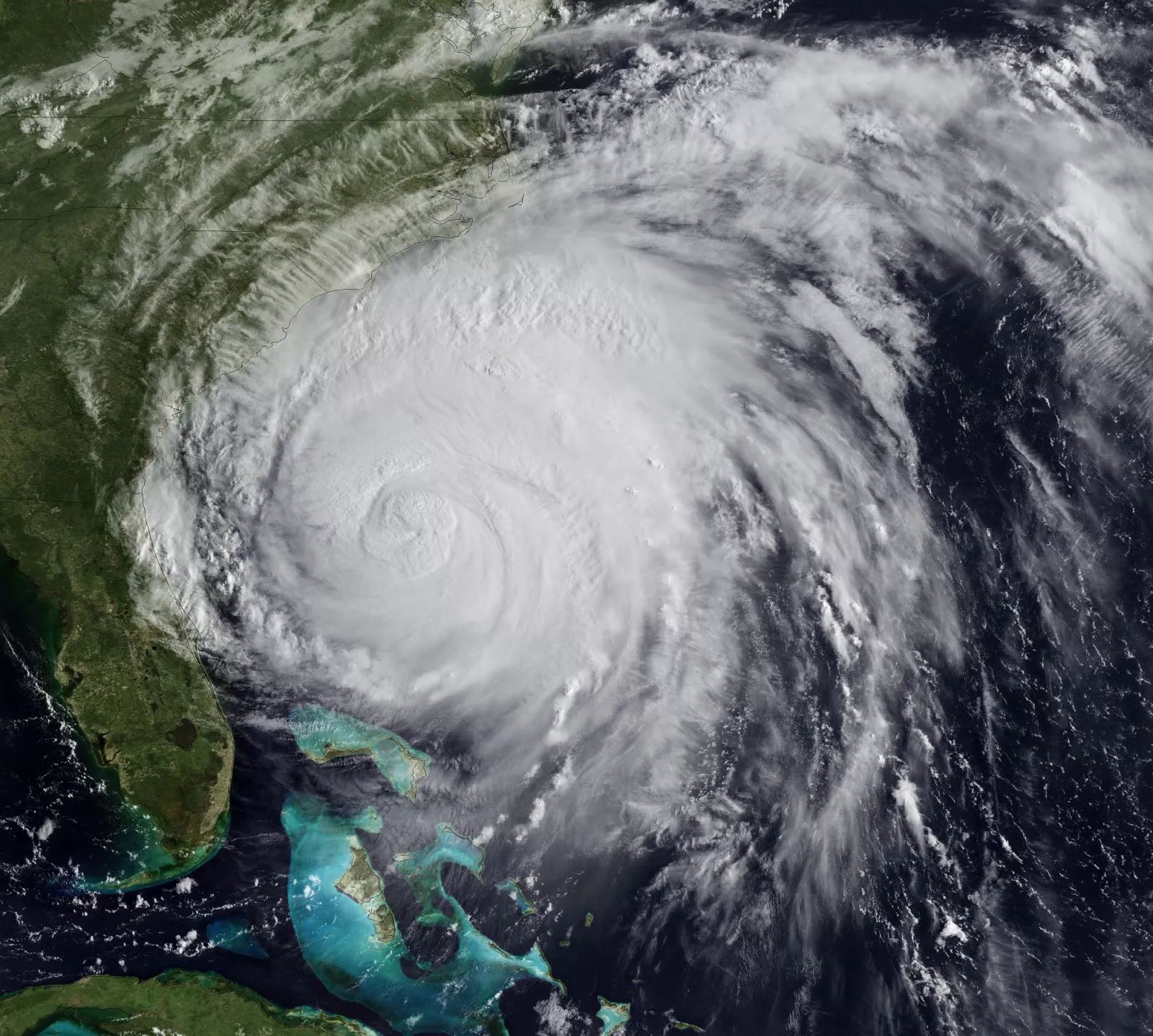
GOES-13 captures Hurricane Irene track up the U.S. East Coast on August 26, 2011.
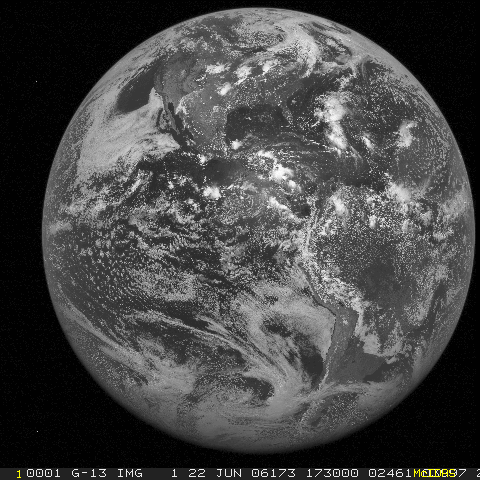
First GOES-13 Full Disk Image, June 22, 2006.
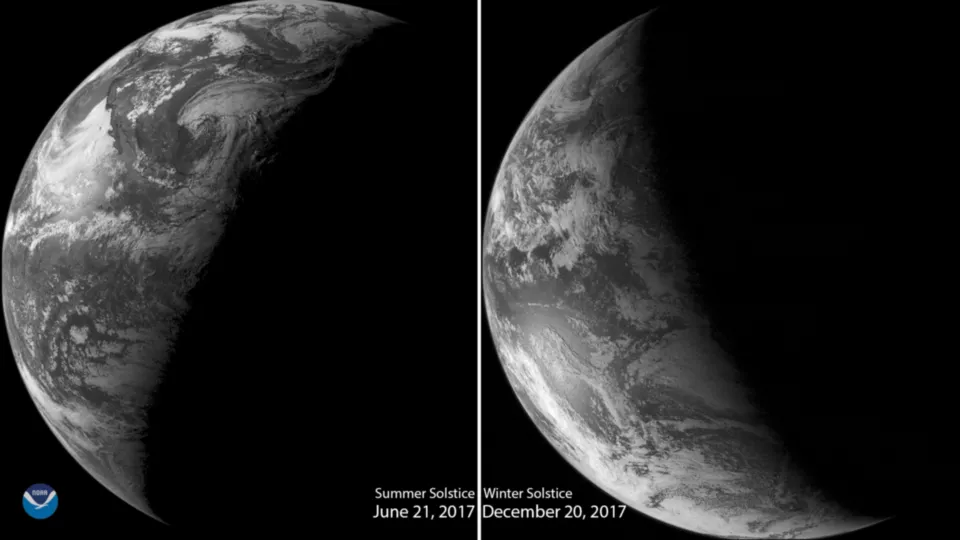
GOES-13 Captures the Winter Solstice, 2017